


St. Louis Home Additions: What to Know About Building Up vs. Building Out
When St. Louis homeowners begin planning a home addition, one of the most important early decisions is whether it makes more sense to build up or build out. Each option shapes the overall cost, design possibilities, structural requirements, and how the addition fits into the existing layout of your home. The right choice depends on your lot size, your municipality’s zoning rules, the age of your home, and the type of space you want to create.
Because the St. Louis region includes many older neighborhoods with narrow lots, mature trees, and a variety of architectural styles, it is helpful to understand how both approaches work before you begin planning. This guide highlights the differences so you can make an informed decision and start your project with confidence.
What It Means to Build Out
Building out involves expanding your home at ground level. This typically means adding a family room, kitchen expansion, primary suite, or additional living space on the main floor.
Benefits of Building Out
You can create larger open floor plans with easier traffic flow.
Ground level additions are often less structurally complex than second story additions.
Construction is usually less disruptive to day to day living because most of the work happens outside the existing footprint.
Ideal for homeowners who want single level living or to make their home more accessible.
Challenges of Building Out
Not all lots can accommodate a horizontal expansion. Narrow or shallow lots in areas such as Brentwood, Richmond Heights, Maplewood, or Webster Groves may limit the size of a ground level addition.
You may lose yard space or need to address grading, drainage, and foundation work.
Zoning setbacks vary widely across St. Louis County and St. Louis City. Each municipality may restrict how close to the property line you can build.
Roofline integration must be handled carefully to avoid a mismatched look.

What It Means to Build Up
Building up involves expanding by adding a second story or a partial second story above the existing home.
Benefits of Building Up
You can significantly increase square footage without reducing yard space.
This option is often ideal in areas where lots are small but height allowances are flexible, such as Kirkwood, Clayton, University City, and parts of Crestwood.
Adding a second story can give you opportunities for more bedrooms, a new primary suite, or better views and natural light.
Building up can improve curb appeal when designed to match the architectural character of the home.
Challenges of Building Up
Structural reinforcement is often required, especially for older St. Louis homes built with different framing standards.
You may need temporary relocation depending on how invasive the structural work becomes.
Adding a stairway uses interior square footage and may require reconfiguring parts of the existing layout.
Design sensitivity is essential so the new second story blends well with the original architecture.

Cost Considerations in St. Louis
While every home is different, here are general cost factors that influence whether building up or building out is more budget friendly.
Building Out Costs Tend to Increase When
A new foundation is required.
Site grading or drainage improvements are necessary.
The addition includes plumbing heavy rooms such as kitchens or bathrooms.
Mature trees or existing patios must be removed or relocated.
Building Up Costs Tend to Increase When
The existing structure needs reinforcement to support a second story.
Roofing must be fully removed and replaced.
Mechanical systems need major upgrades to serve the additional square footage.
Stair placement requires reworking existing rooms.
No two homes in the St. Louis region are alike, especially in older neighborhoods where construction standards evolved over many decades. This makes it especially important to work with an architect early so estimates are based on actual structural and zoning realities.
Choosing the Right Strategy for Your Home
To determine whether you should build up or build out, consider the following questions.
Do you have enough yard space to expand outward without sacrificing outdoor living?
Does your municipality limit how far you can extend toward your property lines?
Does your home have a foundation that can support a second story?
Are you hoping to improve accessibility with more main level space?
Do you want to improve natural light, ceiling height, or long-term resale value?
How important is maintaining the character of your home and neighborhood?
An architect can help you evaluate your lot, foundation, roof structure, mechanical systems, and zoning restrictions. They can also show you how each option would affect traffic flow, layout, and long-term function.

The Role of an Architect in Planning Your Addition
Working with a licensed residential architect gives you clarity during the earliest stages of planning. An architect can help you:
Understand zoning and setback requirements across St. Louis County and St. Louis City.
Identify whether your home can structurally support building up.
Compare costs and long-term value of each option.
Create a cohesive design that matches your home's style.
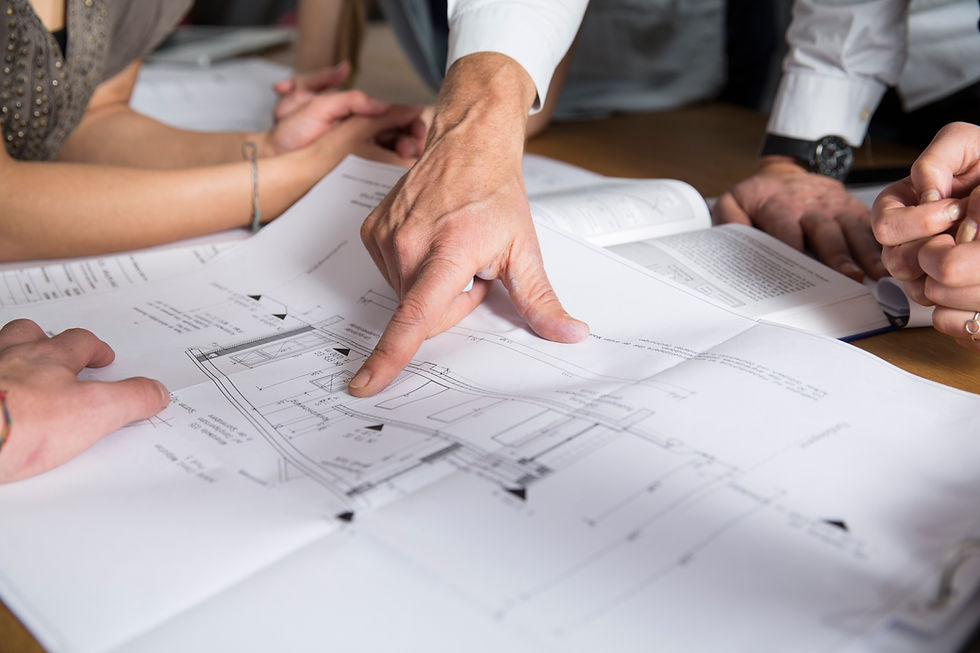
Produce detailed drawings that allow contractors to bid accurately.
Avoid costly change orders or redesigns during construction.
If you are unsure which direction is best for your home, architectural guidance is one of the most valuable resources you can invest in.
Conclusion
Both approaches can be excellent solutions depending on your property and your goals. Building out is ideal when you want to enhance main level living without structural complexity. Building up works well when your lot is limited, but your home can support vertical expansion. The key is understanding what your home allows, how local zoning affects your options, and how to design an addition that blends seamlessly with your existing architecture.
If you are considering an addition in the St. Louis area, Edward M. Stevens Architects can help you evaluate your options, navigate zoning requirements, and design a space that looks and feels like a natural extension of your home. Contact us to start planning.


Comments