


Common Home Renovation Mistakes to Avoid (and How to Plan a Stress-Free Addition)
Renovating or adding onto your home can be one of the most exciting upgrades you’ll ever make, but it can also become one of the most stressful if the early planning stages aren’t handled well. Many St. Louis homeowners underestimate the complexity of additions, zoning restrictions, budgeting, or design integration, especially when working with older homes in neighborhoods like Webster Groves, Kirkwood, Glendale, and Crestwood.
Whether you're planning a major home addition, updating your kitchen, or reconfiguring your floor plan, understanding the most common renovation mistakes can save you time, money, and frustration, and help you end up with a space that truly works for your lifestyle.
1. Starting Without a Clear Design Plan
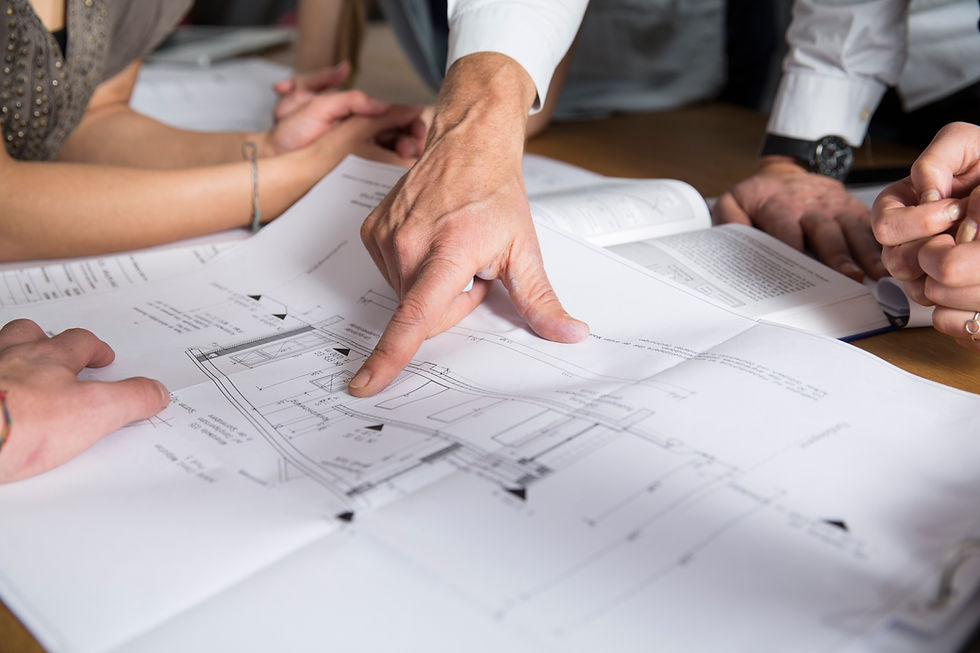
One of the biggest renovation mistakes is diving into construction before fully defining the design. Homeowners often start with a contractor’s quote or a “general idea” but lack the architectural drawings needed to avoid expensive revisions later.
A strong architectural plan ensures:
Accurate pricing from contractors
A design that integrates seamlessly with the existing home
Fewer surprises when construction begins
Better long-term functionality
2. Ignoring Local Permits, Zoning, and Setbacks
In the St. Louis region, every municipality, Webster Groves, Kirkwood, Crestwood, Des Peres, Frontenac, and others, has its own zoning rules, setback requirements, and permitting processes. What works in one city may be prohibited just a few blocks away.
Skipping this step can lead to:
Major delays
Forced redesigns
Denied permits
Costly fines or rework
An architect familiar with St. Louis area requirements can make sure your addition is code-compliant before you begin.
3. Underestimating Your Budget
Renovations are notorious for unexpected costs, especially in older Midwestern homes where hidden issues (HVAC rerouting, foundation adjustments, outdated electrical) can arise.
Common budget mistakes include:
Using a contractor “ballpark number” without architectural plans
Forgetting to budget for permitting or engineering
Failing to include a contingency (typically 10–20%)
Choosing materials before confirming pricing
Having a complete set of construction documents upfront helps produce realistic bids and reduces mid-project surprises.
4. Trying to Force a New Style onto an Older Home
Many St. Louis homes, from brick colonials to Craftsman bungalows, have strong architectural identities. A common mistake is adding an addition that clashes stylistically with the existing structure.
This leads to:
Lower curb appeal
Mismatched rooflines
Awkward transitions inside and out
Reduced resale value
A good renovation or addition should look like it has always belonged there. Architects help balance modern needs with the original character of your home.
5. Over-Focusing on Aesthetics and Ignoring Function
It’s easy to get pulled into finishes, Pinterest boards, and layouts that look beautiful, but beauty without function can quickly become frustrating.
Common functional mistakes include:
Insufficient storage
Poor traffic flow
Oversized islands or furniture blocking pathways
Missing natural light opportunities
Inadequate HVAC planning for new square footage
A residential architect ensures the floor plan supports your daily life, not just the visual look.
6. Not Thinking About Energy Efficiency Early On
Renovations and additions are a prime opportunity to improve your home’s long-term comfort and efficiency. Skipping this step can raise your utility bills and reduce your home’s future value.
Smart upgrades to consider early:
Updated insulation
High-performance windows
Efficient HVAC zoning
Natural daylight strategies
Smart orientation for new square footage
EMS Architects places strong emphasis on energy-efficient, cost-effective design, something many homeowners overlook during early planning stages.

7. Hiring a Contractor Before Hiring an Architect
Contractors are essential partners, but without architectural plans, they are guessing at square footage, layout, and materials. This often leads to budget creep, design compromises, or multiple rounds of rework.
An architect provides:
Schematic design
Construction documents
Clear guidance during bidding
Coordination with contractors
Problem-solving during construction
The result? A smoother, more predictable project from start to finish.
8. Choosing Short-Term Trends Over Long-Term Value
Trendy finishes can date quickly. The best renovations blend personality with timeless style, materials and layouts that will still feel relevant 10–20 years from now.
Architects help you:
Balance trends with classic design
Choose durable materials
Create layouts that support evolving needs
Ensure strong resale value
Conclusion: Planning Right From the Start Makes All the Difference
A successful renovation or addition isn’t about rushing into construction, it’s about thoughtful planning, smart design decisions, and partnering with the right experts. When you avoid these common mistakes, you get a home that’s more functional, more beautiful, and more valuable for years to come.
Ready to start planning your St. Louis renovation or home addition? Edward M. Stevens Architects provides custom, energy-efficient designs that integrate seamlessly with your home and reflect your lifestyle.Contact us to schedule a consultation or ask any questions you may have.


Comments